
The name Namak Mandi Peshawar refers first to a real place, not to the UAE restaurant brand.
Independent reporting on Peshawar’s Namak Mandi traces the name to the area’s historic salt trade. The Express Tribune reported that the locality took its name from that trade and had previously been known as Mewamandi because of fruit merchants. Dawn has likewise described Namak Mandi simply as Peshawar’s “Salt Market”.
Namak Mandi UAE takes its name and stated inspiration from Peshawari food culture: meat cooked over fire, shared meals, simple seasoning and Pashtun hospitality. It should not be understood as claiming that the UAE business itself is centuries old or that it is an original branch of a Peshawar restaurant.
The Name Began With a Market
Namak means salt, while mandi refers to a market.
That gives the name its most direct meaning: Salt Market. The food association came later.
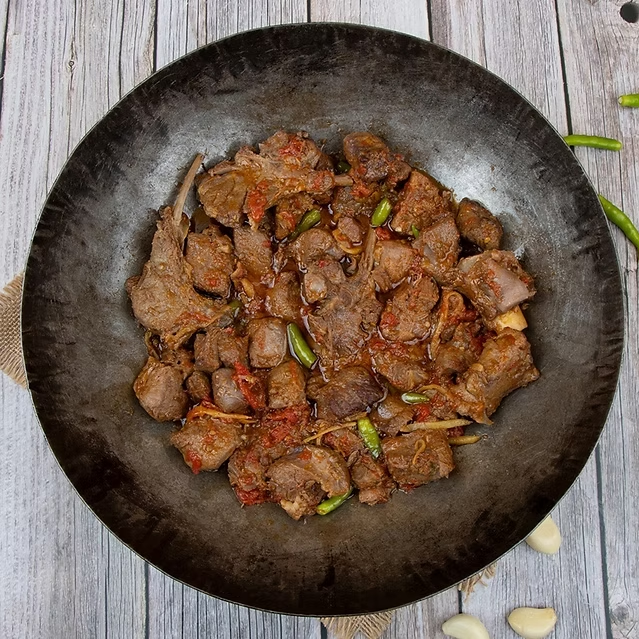
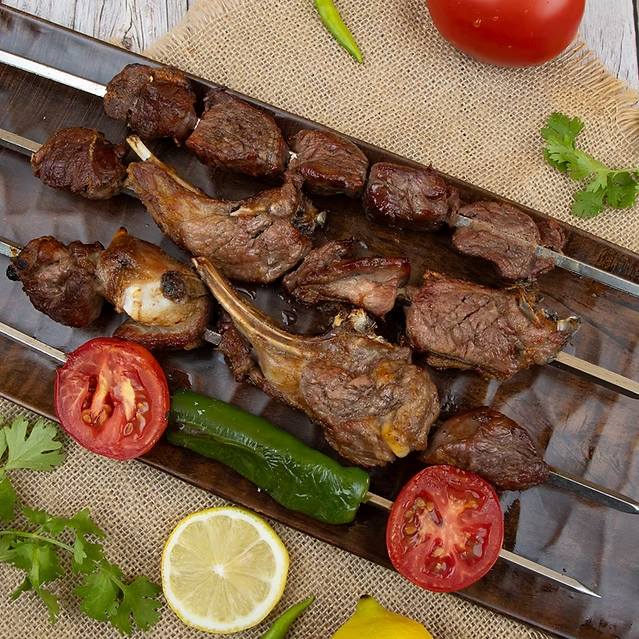
Reporting from Peshawar describes the area as having developed from a trading district into a place strongly associated with lamb, tikka, karahi and charcoal cooking. One Express Tribune account records local memories of salt caravans and traders helping establish the meat stalls that eventually became part of Namak Mandi’s food identity.
The exact evolution is part history and part local oral tradition, so it is better not to invent a precise founding year.
What is well established is the connection between the name, the salt trade and Peshawar’s later meat-and-fire food culture. If you want Namak Mandi UAE’s own account of that inspiration, explore the Namak Mandi heritage story.
How a Salt Market Became Known for Food
Today, conversations about Namak Mandi in Peshawar often move quickly from the market itself to food.
Independent reporting has long described the area through its tikka, karahi, lamb and barbecue culture, with diners gathering around meat cooked over charcoal or in karahi pans. That is the cultural connection Namak Mandi UAE draws on.
The brand describes its own inspiration through:
- Open-fire karahi cooking
- Charcoal-grilled meat
- Simple, meat-led flavours
- Shared dining
- Peshawari-style hospitality
- Charpai seating elements
- Kahwa at the end of the meal
Those are brand-positioning claims about how the UAE restaurant interprets the spirit of Peshawar; they are not evidence that the UAE operation itself dates back centuries.
Heritage CTA: Before your first visit, see how the brand translates that Peshawari inspiration into the UAE through Namak Mandi’s About page.
The Connection Is More Than a Dish Name
It would be easy to make this article a list of karahis and kababs.
That would miss the point. The name connects the restaurant to a way of eating as much as to a particular recipe. Food is shared. Meat stays central. Bread moves around the table. Kahwa gives the meal a slower ending.
The brand refers to guests as Mehmaan and frames its hospitality around Melmastia, the Pashtun principle of generously honouring a guest.
That hospitality connection matters because Namak Mandi in Peshawar is remembered not only as somewhere people bought food, but as a place people gathered around it.
What the Current Menu Carries Forward
The current UAE menu does not try to reproduce every dish associated with Peshawar’s historic Namak Mandi.
Instead, it presents a specific Namak Mandi UAE selection.
That includes lamb karahis with tomato- and onion-based preparations, charcoal lamb, Beef Chapli Kabab, Seekh Kebab, Peshwari Beef Pulao Mandi, Peshawari Naan, Tandoori Roti and Peshawari Kahwa.
Those dishes connect back to the brand’s stated focus on meat, fire, bread, rice and shared dining without claiming that every item is a historical reconstruction.
For the clearest sense of the restaurant’s current identity, start from the Namak Mandi UAE homepage rather than relying on older menu descriptions elsewhere.
Peshawar Is the Inspiration; Dubai Is the Restaurant
This distinction should always remain clear.
Namak Mandi, Peshawar
is the historic locality and food market in Pakistan.
Namak Mandi UAE
is the restaurant brand operating in Dubai and Abu Dhabi.
The UAE restaurant states that its interiors, cooking philosophy and hospitality are inspired by Peshawar. (namakmandidubai.com)
It should not be described as:
- A centuries-old UAE restaurant
- The original Peshawar Namak Mandi
- An official branch of another Peshawar restaurant
- Automatically affiliated with businesses using similar names
The connection is one of heritage and inspiration, not a claim that the businesses are historically identical.
See the Peshawari Influence Before You Visit
Part of the brand’s interpretation appears visually.
Traditional design references, charpai seating elements and a family-style dining environment are part of the UAE concept. (namakmandidubai.com)
If you want to see the atmosphere rather than simply read about it, browse the Namak Mandi Gallery before visiting. That is useful because the restaurant experience is intended to carry some of the cultural connection alongside the food.
From Peshawar to Al Nahda
Namak Mandi’s Dubai branch is located at:
Hessa Tower, Al Ittihad Street
Al Nahda First, Dubai, UAE
The branch is open daily from 11:00 AM to 1:00 AM, with parking available at Hessa Tower and Al Nahda Metro approximately a five-minute walk away. For current location and service information, use the Namak Mandi Dubai branch page.
If the history behind the name has made you curious about the dining experience itself, visit with enough time to share the table rather than treating it as a quick stop.
Frequently Asked Questions
What does Namak Mandi mean?
The name translates broadly as Salt Market. Independent reporting traces Peshawar’s Namak Mandi name to the historic salt trade in the area.
Is Namak Mandi UAE the original Namak Mandi in Peshawar?
No. Namak Mandi in Peshawar is a historic locality and market. Namak Mandi UAE is a restaurant brand inspired by Peshawari food and hospitality culture.
How old is Namak Mandi Peshawar?
Namak Mandi UAE describes the Peshawari culinary tradition as extending over two centuries, but this is the brand’s heritage account. Independent sources verify the historic salt-market identity and long-standing food culture, but do not establish the UAE business as centuries old.
Why is Namak Mandi associated with meat and karahi?
Over time, the Peshawar locality became strongly associated with lamb, tikka, karahi and charcoal barbecue. Independent reporting has documented that food culture for years.
What does Melmastia mean at Namak Mandi?
Melmastia refers to Pashtun hospitality: generously welcoming and honouring a guest. Namak Mandi UAE uses this idea as part of its stated hospitality philosophy.
The Name Carries a Place With It
Namak Mandi Peshawar is more than a restaurant-style phrase. It begins with a real market shaped by trade, then moves into the food culture for which that part of Peshawar became known.
Namak Mandi UAE takes inspiration from that world through fire-cooked meat, shared Dastarkhwan-style dining and Melmastia.
The important distinction is simple:
Peshawar is a heritage site.
The UAE restaurant is the brand carrying that inspiration forward. For a family or group visit in Dubai, arrange your table through Namak Mandi Reservations & Orders.
Know the place behind the name. Then experience how the story is carried to the table.